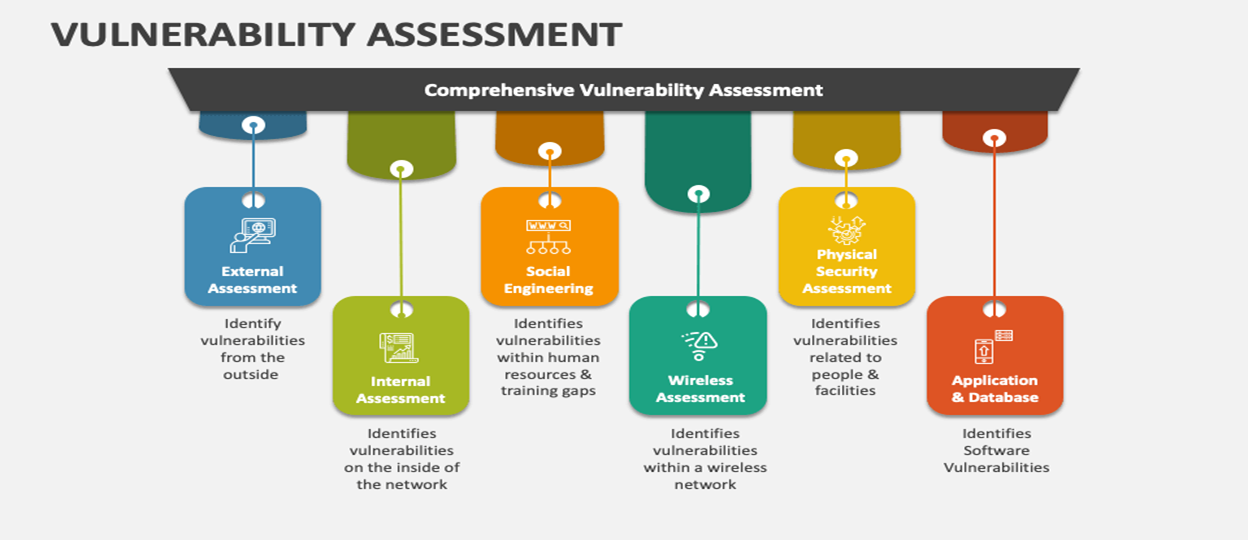
A vulnerability assessment is a proactive approach to identifying, evaluating, and prioritizing security weaknesses in your systems, networks, and applications. By scanning for known vulnerabilities, misconfigurations, and potential threats, this process helps you pinpoint areas of weakness before they can be exploited by malicious actors.
With regular vulnerability assessments, you can stay ahead of emerging threats and implement timely remediation strategies to minimize risks and protect your organization's valuable data. Whether you're looking to secure your IT infrastructure or ensure compliance with industry standards, vulnerability assessments are a critical step in strengthening your overall cybersecurity posture.
1. Early Detection of Threats
Vulnerability assessments help identify security flaws early, allowing you to address issues before they are exploited by cybercriminals. Early detection minimizes the risk of a security breach and protects your sensitive data.
2. Improved Risk Management
By identifying vulnerabilities, a vulnerability assessment helps you prioritize threats based on their potential impact. This allows you to allocate resources effectively, addressing the most critical issues first and reducing overall risk.
3. Enhanced Security Posture
Regular vulnerability assessments strengthen your organization's security measures by identifying weak points in your systems. This proactive approach ensures your defenses are continuously updated and improved, keeping you one step ahead of cyber threats.
4. Compliance with Industry Standards
Many industries require adherence to specific security standards and regulations. Vulnerability assessments ensure your organization remains compliant with regulations like GDPR, HIPAA, and PCI-DSS, avoiding costly fines and reputational damage.
5. Cost Savings
Identifying and addressing vulnerabilities before they lead to a breach can save your organization significant costs related to data recovery, legal fees, and reputational damage. Preventing security incidents is always more cost-effective than dealing with their consequences.
6. Increased Customer Trust
Demonstrating a commitment to securing your systems and data through regular vulnerability assessments helps build trust with customers and partners. It reassures them that you are taking the necessary steps to protect their information and ensure privacy.
7. Continuous Improvement
Vulnerability assessments provide ongoing insights into your security infrastructure, enabling continuous improvement. As cyber threats evolve, regular assessments ensure your systems adapt to the latest risks and challenges.
By investing in regular vulnerability assessments, your organization can proactively identify weaknesses, mitigate risks, and maintain a robust defense against potential cyber threats.
