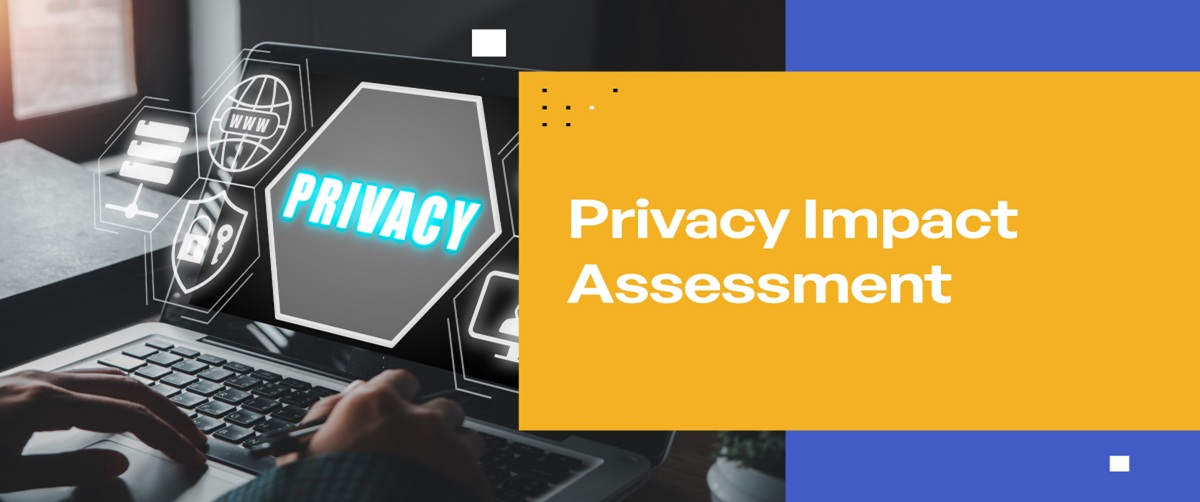
A Privacy Impact Assessment (PIA) is a process that helps organizations identify and mitigate privacy risks associated with their projects or initiatives. By evaluating how personal data is collected, stored, and used, a PIA ensures compliance with data protection regulations and safeguards individuals' privacy rights.
Conducting a PIA not only helps prevent potential data breaches but also builds trust with customers and stakeholders by demonstrating a commitment to privacy and security. It is an essential step in any project involving sensitive data, helping organizations make informed decisions while minimizing privacy risks.
A Privacy Impact Assessment (PIA) offers significant advantages for organizations handling personal data. Here are some of the key benefits:
1. Enhanced Data Protection
A PIA helps organizations identify and mitigate potential privacy risks before they become issues. By evaluating data handling processes, it ensures that sensitive information is protected from unauthorized access, breaches, or misuse.
2. Regulatory Compliance
Conducting a PIA ensures that your organization complies with data protection laws and regulations, such as GDPR or CCPA. It helps prevent costly fines, legal consequences, and reputational damage associated with non-compliance.
3. Builds Trust and Transparency
By proactively assessing and addressing privacy risks, organizations can demonstrate their commitment to safeguarding personal data. This fosters trust among customers, clients, and stakeholders, strengthening relationships and loyalty.
4. Improved Risk Management
A PIA provides valuable insights into potential privacy risks and vulnerabilities, enabling businesses to take proactive steps to mitigate them. This strengthens overall risk management and helps prevent future data breaches.
5. Informed Decision-Making
Conducting a PIA gives decision-makers the necessary information to evaluate the privacy impact of projects and initiatives. This helps in making more informed choices and ensures that privacy considerations are embedded in the planning and execution phases.
6. Minimized Reputational Damage
Addressing privacy risks early on reduces the likelihood of data breaches or privacy violations. This helps protect your organization’s reputation and prevents negative publicity associated with mishandling personal data.
7. Operational Efficiency
A PIA helps streamline data collection and processing practices, making operations more efficient while ensuring compliance. It allows organizations to design privacy-friendly systems and workflows from the start.
Overall, a Privacy Impact Assessment is an essential tool for managing privacy risks, ensuring compliance, and fostering trust with stakeholders, while ultimately safeguarding an organization’s reputation and bottom line.