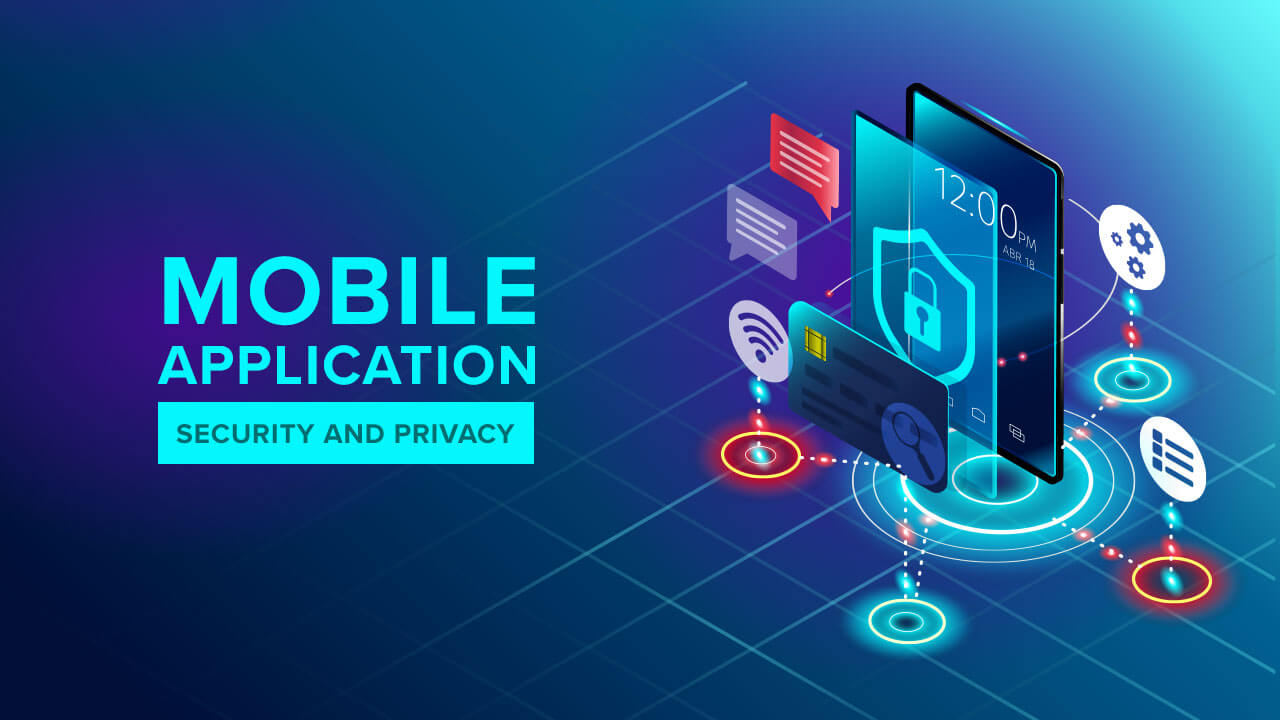
Mobile application security focuses on protecting apps on smartphones and tablets from cyber threats, ensuring user data remains safe and secure. By implementing strong security measures, such as encryption, secure coding, and authentication protocols, mobile app security guards against risks like data breaches, unauthorized access, and malware.
With the growing reliance on mobile devices, robust mobile application security is essential to protect sensitive information and provide users with a secure, seamless experience.
1. Protect User Data
Mobile application security safeguards sensitive data such as personal information, payment details, and login credentials. By using encryption and secure storage practices, it ensures that user data is protected from unauthorized access and potential breaches.
2. Prevent Cyberattacks
Mobile apps are vulnerable to various threats, including malware, man-in-the-middle attacks, and data leakage. Implementing strong security measures prevents these threats, ensuring your app remains secure and reliable for users.
3. Ensure Regulatory Compliance
Many industries require strict compliance with data protection regulations, such as GDPR, HIPAA, and PCI-DSS. Mobile app security helps ensure that your application meets these standards, reducing the risk of fines and legal complications.
4. Enhance User Trust
A secure mobile application fosters trust among users, ensuring they feel safe using your app for transactions and communication. With rising concerns over privacy, robust mobile app security builds confidence and strengthens customer loyalty.
5. Mitigate Financial Risks
A security breach can result in significant costs, including data recovery, legal fees, and reputational damage. Mobile application security minimizes the risk of such breaches, helping you avoid expensive consequences and protecting your bottom line.
6. Improve App Performance and Stability
Security vulnerabilities can lead to app crashes, slowdowns, or disruptions. By addressing security flaws, you enhance the overall performance and stability of your mobile app, ensuring a smooth user experience.
7. Defend Against Device Theft and Loss
Mobile devices are often lost or stolen, leaving the data on them vulnerable. Implementing features like remote wipe, data encryption, and secure authentication ensures that data remains safe even if the device is compromised.
8. Prevent Unauthorized Access
Mobile apps often require sensitive access, such as payment processing or personal data retrieval. Strong security practices, like multi-factor authentication (MFA) and role-based access control, help prevent unauthorized users from accessing these areas.
9. Continuous Protection Against Evolving Threats
Mobile security is an ongoing effort. Regular updates, vulnerability scans, and proactive monitoring ensure your mobile application stays protected from emerging threats as the cybersecurity landscape evolves.
10. Boost App Reputation and Marketability
A secure mobile application enhances your brand reputation and can be a competitive advantage in the marketplace. Users are more likely to choose and recommend apps they perceive as secure, helping you attract more downloads and retain loyal customers.
Investing in mobile application security not only protects your users but also strengthens your app's overall functionality, compliance, and reputation. By securing your mobile applications, you ensure a safer, more reliable user experience that drives business growth and trust.
