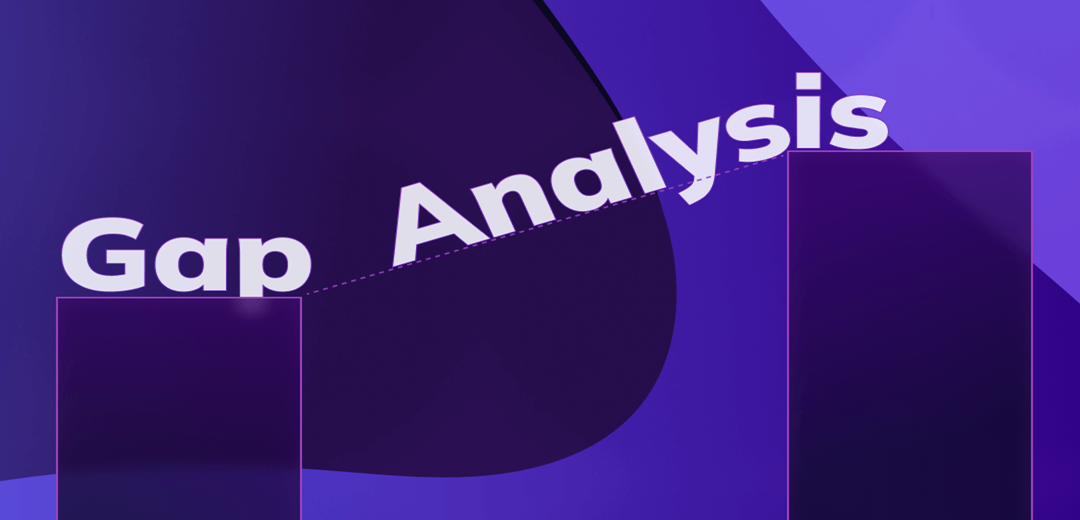
A GAP Assessment is a strategic process that helps businesses identify the difference between their current state and desired future goals. By evaluating existing processes, systems, and performance, a GAP Assessment highlights areas of improvement and opportunities for growth.
This valuable insight enables organizations to align their strategies, optimize resources, and drive better results. Whether you're aiming to improve efficiency, compliance, or customer satisfaction, a thorough GAP Assessment is the first step towards achieving your business objectives.
A GAP Assessment offers numerous advantages that can drive significant improvements within your organization. Here are some key benefits:
1. Identify Improvement Areas
By thoroughly analyzing current processes and comparing them to desired outcomes, a GAP Assessment highlights critical areas where improvements are needed. This helps organizations focus their resources on areas with the most potential for growth.
2. Enhanced Decision-Making
With a clear understanding of the gaps, businesses can make informed, data-driven decisions. Whether it’s resource allocation, strategy adjustments, or operational changes, the insights from a GAP Assessment empower leaders to act with confidence.
3. Increased Efficiency
A GAP Assessment uncovers inefficiencies in processes, workflows, and systems. By addressing these gaps, companies can streamline operations, reduce waste, and improve overall productivity.
4. Alignment with Strategic Goals
The assessment ensures that current practices and performance are aligned with the organization’s long-term vision. It bridges the gap between the present and future, ensuring that every action taken is geared toward achieving business objectives.
5. Cost Savings
Identifying gaps early helps avoid costly mistakes and inefficiencies. By addressing these gaps proactively, businesses can reduce overhead costs, avoid unnecessary expenses, and optimize their investment in key resources.
6. Improved Competitiveness
Closing performance gaps allows organizations to stay competitive in a rapidly evolving market. It helps businesses keep up with industry trends, meet customer demands, and stay ahead of competitors.
7. Enhanced Compliance and Risk Management
A GAP Assessment helps identify compliance gaps in regulatory requirements, ensuring that businesses avoid legal issues and mitigate risks. It strengthens the organization’s overall risk management strategy.
Overall, a GAP Assessment is a powerful tool that can provide valuable insights, drive operational excellence, and foster long-term business success.