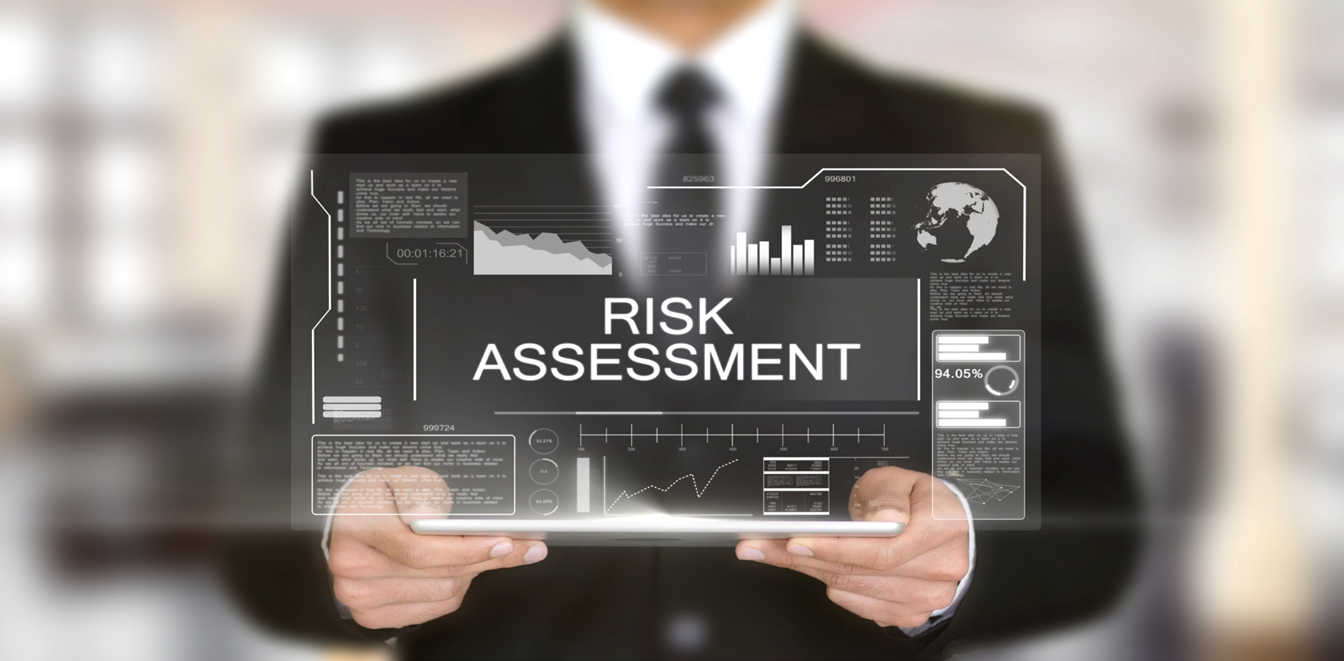
Risk assessment for a website involves identifying, evaluating, and prioritizing potential security threats and vulnerabilities that could impact the site’s operations, data, and user trust.
This process includes analyzing factors such as cyberattacks, data breaches, system failures, and compliance risks. By assessing these risks, website owners can implement appropriate security controls, mitigation strategies, and contingency plans to reduce the likelihood and impact of potential threats, ensuring a secure and resilient online presence for users and the business.
1. Identifies Potential Threats and Vulnerabilities
A risk assessment helps identify potential security threats and vulnerabilities that could compromise your website’s integrity, such as hacking attempts, data breaches, or malware infections. By recognizing these risks early, you can take steps to address them before they cause damage.
2. Improved Data Protection
Through risk assessment, you can evaluate how well your website protects sensitive data, such as customer information or financial records. It enables you to implement stronger security measures, reducing the likelihood of unauthorized access and ensuring compliance with data protection regulations like GDPR.
3. Prioritization of Resources
A risk assessment helps you prioritize security measures based on the severity and likelihood of risks. By focusing resources on high-priority vulnerabilities, you can optimize your budget and efforts, ensuring the most critical areas of your website are secured first.
4. Regulatory Compliance
Performing a risk assessment ensures that your website meets various regulatory requirements, such as those outlined by GDPR, PCI-DSS, or HIPAA. Compliance is not only essential for avoiding legal penalties but also helps you build trust with users and stakeholders by demonstrating your commitment to data protection.
5. Minimizing Financial Losses
By identifying and mitigating risks proactively, you reduce the likelihood of costly incidents like data breaches, system outages, or reputational damage. A well-conducted risk assessment helps protect your website from financial loss and ensures business continuity.
6. Enhanced User Trust
A secure website fosters trust and confidence among users, especially when they know that security risks have been assessed and managed. By demonstrating a commitment to risk management, your website will be viewed as a reliable and safe platform, improving user loyalty and engagement.
7. Improved Decision-Making
Risk assessments provide valuable insights into the potential impact of different threats, helping you make more informed decisions about security strategies and technology investments. This data-driven approach ensures that you’re addressing the right risks to support long-term business success.
8. Business Continuity and Disaster Recovery
A risk assessment evaluates the potential impact of disruptions to your website’s operations, such as downtime or data loss. It enables you to implement disaster recovery plans and backup strategies that ensure business continuity, minimizing downtime and ensuring a quick recovery in case of an incident.
9. Ongoing Security Improvement
Regular risk assessments allow you to track the evolution of new threats and adjust your website's security measures accordingly. This continuous evaluation helps you stay ahead of emerging risks and maintain a robust, secure online presence over time.
By conducting regular risk assessments, you can proactively manage potential threats, improve your website’s security posture, protect user data, and ensure compliance, ultimately contributing to the long-term stability and success of your website.